
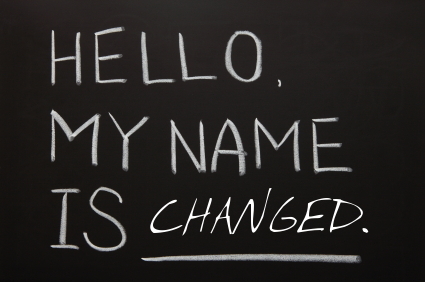
Decades ago, it was pretty much a given that women took their spouse’s last name and did so without much thought and followed through with all the paperwork. Nowadays, keeping one’s maiden name is no longer an anomaly. If you’re torn between traditional and contemporary approaches to last names, read on about the perks and headaches of what it means to make the name change and suggestions for other options.
Pros:
A shared name can symbolize unity. For many couples, sharing a last name, feels like a powerful symbol of commitment and togetherness. It can feel like you’re officially forming a team, especially if you’re planning to start a family. It’s one name on the mailbox and the holiday cards.
It’s often simpler for the children. Having the same last name as your kids can make things, simpler, logistically, and emotionally. From school pick ups to doctor visits and travel documents, one family name, avoids confusion, and can make others recognize your familial bond without explanation.
It can reflect a fresh start. For some, changing a name is part of embracing a new phase in life. If you don’t feel strongly attached to your maiden name, or you want distance from a difficult family history, taking your spouse’s name can feel empowering and meaningful.
You might like the new name better. Some people just prefer the sound, spelling, or uniqueness of their spouse’s name. Whether it’s easier to spell, pronounce or just looks better in your email signature, liking your new name is a perfectly valid reason to make the switch. For one couple I married years ago, the husband had a really long multi-syllabic name and hers was four letters, one syllable. He took her name.
Cons:
The paperwork headache. Changing name means paperwork and lots of it. Social Security, driver’s license, passport, bank accounts, credit cards, email address, car/life/renter’s insurances and more all need updating. It’s time-consuming, tedious, and can take months to fully complete.
Impacting your professional identity. If you’ve built a career or public profile under your original name, changing it can cause confusion. A name change may disrupt your brand, online presence, or professional continuity.
It can feel like losing a piece of yourself. Your name is part of your identity. It’s your history, your family, your culture. For some, giving it up (even in part) can feel like erasing something meaningful. That loss can be especially felt by women in cultures where name-changing is a gendered expectation.
Accessing files from the past. Once you change your name, it may be a hard to dig into old records, especially those that deal with finances and legal issues, without proper documentation. Make sure to tie all the loose ends before you officially take on a new name.
It’s not the only way to show commitment. Taking a partner’s name doesn’t make a marriage stronger, nor does not taking make your bond weaker. Some couples prefer to express unity through other means, such as joint finances, family traditions, and even tattoos.
Alternatives:
Hyphenation. Combines both names (e.g., Garcia-Williams). Equal parts from you and them. A downside is your last name gets longer.
Combining names. A create (and rare) option where you blend parts of each last name into something new (e.g., Henderson + Lee = Henlee).
Both partners change names. Either both hyphenate or take one shared name.
Keeping your name. Many couples now keep their birth names while still feeling 100% committed and connected.
*****
There’s no one-size-fits-all solution to the name-change consideration. Some feel empowered by taking their partner’s name. Others feel empowered by keeping their own. What matters is that the decision feels authentic to you and isn’t dictated by tradition, pressure, social norms, or expectations.
Talk openly with your partner about this. Consider your identity, goals, and future family, and then choose what fits your life, your love, and your legacy.
 Trinity Cottage Wedding Officiants
Leave a comment